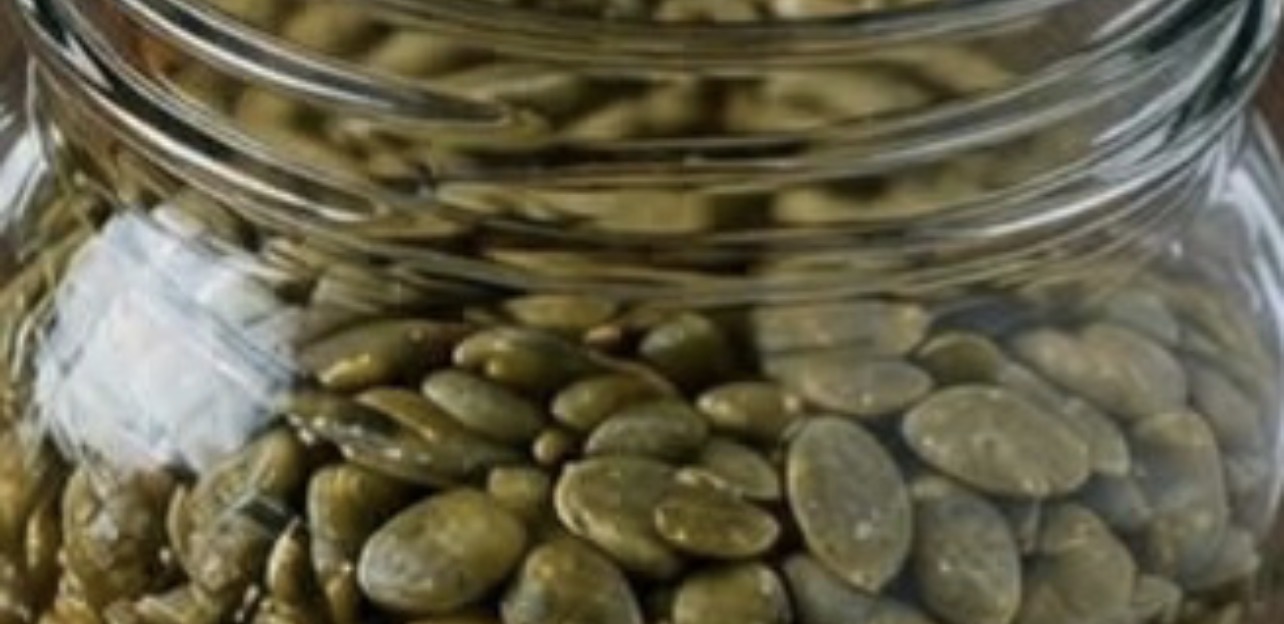

When autumn arrives, pumpkins take center stage in kitchens around the world. From soups to desserts, their rich flavor and vibrant color make them a seasonal favorite. But while most people enjoy the flesh, the seeds are often discarded—an overlooked treasure packed with powerful nutrients.So, should you be eating pumpkin seeds? And can consuming them have unexpected effects? Let’s explore the benefits, potential risks, and the best way to prepare them.Why Pumpkin Seeds Deserve Your AttentionPumpkin seeds, also known as pepitas, are considered a nutritional powerhouse. They are loaded with essential nutrients that support overall health.Key Benefits of Pumpkin SeedsRich in MagnesiumMagnesium plays a vital role in muscle function, nerve signaling, and maintaining healthy blood pressure.High in ZincZinc supports immune function, skin health, and may help reduce hair loss.Source of Omega-3 Fatty AcidsThese healthy fats contribute to heart health and reduce inflammation.Packed with B VitaminsEssential for energy production and brain function.Supports Hair HealthRegular consumption may help strengthen hair and reduce shedding.Can Pumpkin Seeds Cause Side Effects?While pumpkin seeds are incredibly healthy, excessive consumption can lead to some mild side effects:Digestive discomfort (due to high fiber content)Caloric overload if eaten in large quantitiesSalt-related issues if heavily salted during preparation Tip: Moderation is key. A small handful per day is typically safe and beneficial.How to Prepare Pumpkin Seeds ProperlyInstead of throwing them away, you can easily transform pumpkin seeds into a delicious and healthy snack.Step-by-Step Guide1. Clean the SeedsRemove seeds from the pumpkin and rinse thoroughly to eliminate pulp and fibers.2. Soak in SaltwaterPlace seeds in a bowl with:500 ml of water4 tablespoons of saltLet them soak overnight. This enhances flavor and texture.3. Dry the SeedsDrain and let them sit in a colander for about 20 minutes. Then spread them on a clean towel and allow them to dry completely for 24 hours.4. Roast the SeedsChoose one method:Pan roasting: Cook over low heat for about 1 hourOven roasting: Bake at 140°C (284°F) for 1 hourHow to Add Pumpkin Seeds to Your DietRoasted pumpkin seeds are incredibly versatile:Eat them as a healthy snackAdd to salads, yogurt, or oatmealUse as a topping for soupsBlend into smoothies or granolaThey are perfect for satisfying hunger between meals while boosting nutrient intake.Final ThoughtsReusing pumpkin seeds is not just a sustainable choice—it’s a smart nutritional decision. Instead of discarding them, you can turn these tiny seeds into a superfood that benefits your body in multiple ways.This autumn, when preparing pumpkins, remember: the real hidden value might just be in the seeds.
Scientists Reveal: Can Eating Pumpkin Seeds Cause Unexpected Effects? Benefits