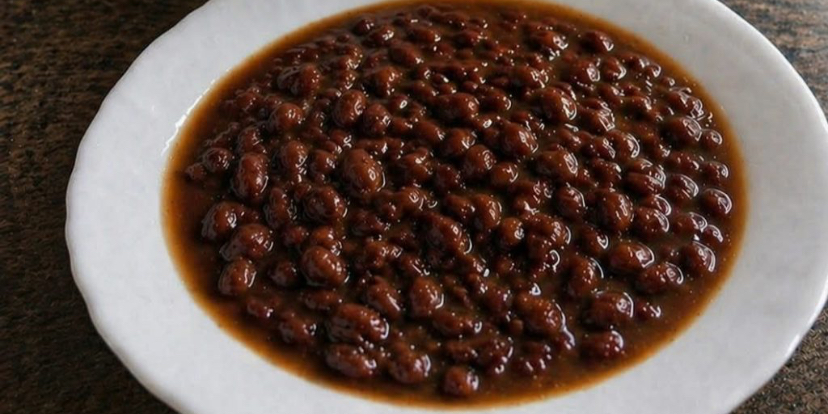

Beans are a staple food for millions of people around the world, especially in countries like Brazil. Affordable, nutritious, and versatile, they are often considered a cornerstone of a healthy diet. But is eating beans every day actually good for you—or could it have negative effects?Nutrition experts say the answer lies in balance.Health Benefits of Eating Beans DailyBeans are packed with essential nutrients that support overall health. Here are some of their most important benefits:1. Rich in Protein and EnergyBeans are an excellent plant-based protein source, making them especially valuable for people who consume less meat. A single serving can significantly contribute to daily protein needs.2. High in FiberThe fiber content in beans helps regulate digestion, promotes fullness, and supports healthy cholesterol levels. This makes them ideal for weight management and gut health.3. Low Glycemic IndexBeans release glucose slowly into the bloodstream, preventing blood sugar spikes. This makes them a smart choice for people with diabetes or insulin resistance.4. Packed with Vitamins and MineralsBeans provide essential nutrients such as iron, zinc, magnesium, and folate—key elements for energy production, immunity, and overall body function.5. Scientifically Proven BenefitsRecent studies suggest that regular bean consumption may:Lower cholesterol levelsReduce inflammation markersImprove heart healthSupport metabolic functionThese benefits are particularly associated with varieties like black beans and chickpeas .Potential Downsides of Eating Beans Every DayDespite their nutritional value, beans also contain natural compounds that may cause issues—especially when consumed in excess.1. AntinutrientsBeans contain substances such as:Phytates: Can reduce mineral absorption (iron, zinc, calcium)Tannins: Affect nutrient bioavailabilityProtease inhibitors: May interfere with protein digestionThese effects are usually mild but can become significant in unbalanced diets .2. Digestive DiscomfortBeans are rich in oligosaccharides like raffinose, which are not fully digested. This can lead to:GasBloatingAbdominal discomfortSensitivity varies from person to person.3. Special Health ConsiderationsCertain individuals should moderate bean intake:People with kidney issues (due to potassium and phosphorus)Individuals prone to high uric acid levels (beans contain purines)Popular Types of Beans and Their BenefitsThere are many varieties of beans, each offering unique nutritional advantages:Black Beans: Rich in antioxidants (anthocyanins) and magnesiumPinto (Carioca) Beans: High in iron and fiberRed Beans: Good source of potassium and immune-supporting nutrientsBlack-Eyed Peas: Low in fat and rich in B vitaminsWhite Beans: Contain phaseolamin, linked to carbohydrate absorption controlAdzuki Beans: Lower in calories and popular in Asian cuisineHow Much Beans Should You Eat Per Day?Experts recommend moderation rather than elimination. A typical serving is about:100g to 150g (one ladle) per mealEating too much can increase digestive discomfort and reduce nutrient absorption.Tips to Reduce Side Effects of BeansTo enjoy beans without the drawbacks, follow these simple preparation tips:1. Soak Before CookingSoaking beans for 8–12 hours helps reduce antinutrients and improves digestibility.2. Discard Soaking WaterThis removes compounds responsible for gas and bloating.3. Cook ThoroughlyProper cooking significantly reduces harmful compounds.4. Maintain a Balanced DietCombining beans with other nutrient-rich foods improves overall nutrition.Conclusion: Are Beans Good or Bad?Beans are far from being harmful—in fact, they are one of the most nutritious and accessible foods available. When consumed in moderation and prepared correctly, they offer numerous health benefits.However, excessive consumption or poor preparation may lead to digestive discomfort and reduced nutrient absorption.The key takeaway: Beans are healthy—but balance is essential.
Is Eating Beans Every Day Good or Bad? Benefits, Risks, and Expert Insights