

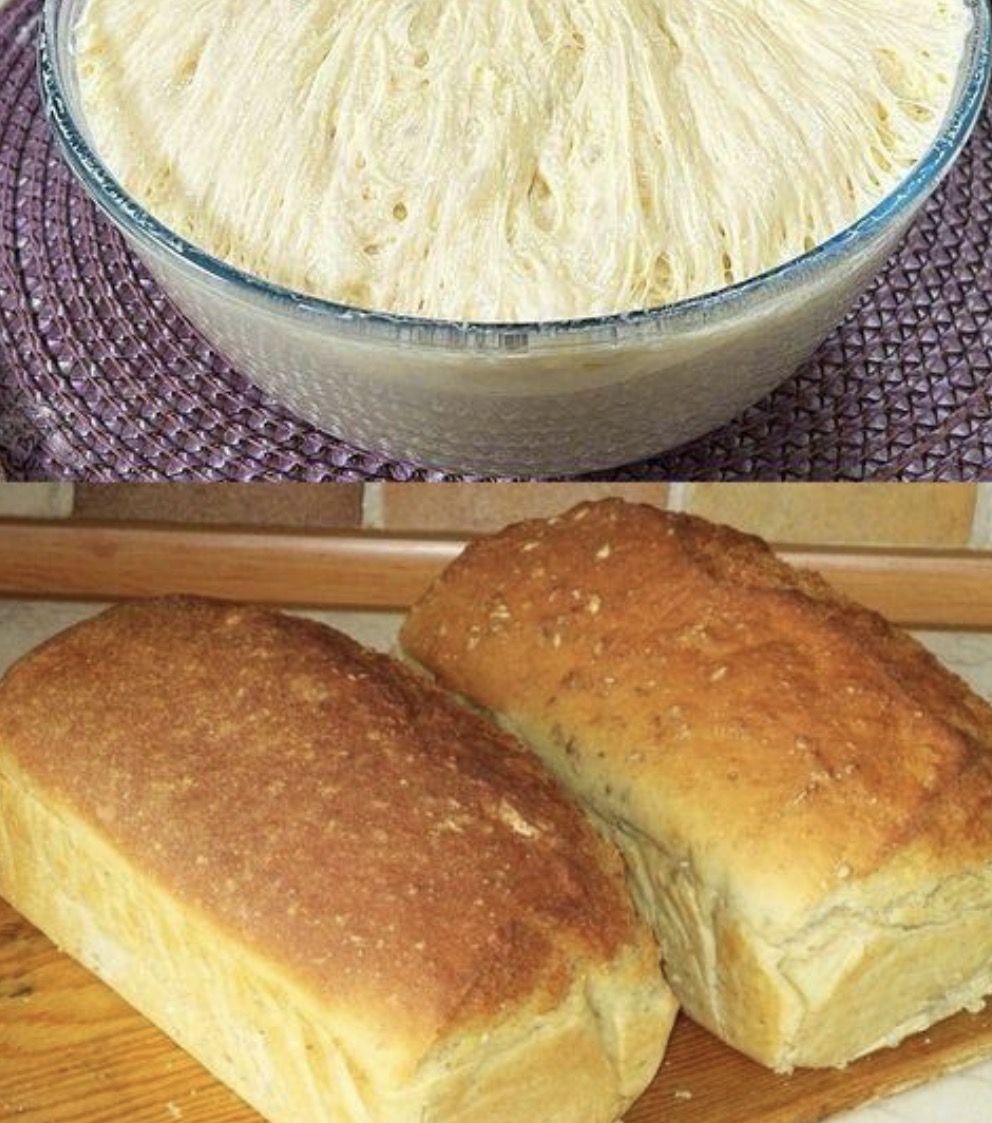
Warm Butter Yeast Bread: Better Than Bakery
Introduction:
There’s something magical about warm, freshly baked bread with butter melting into every soft bite.
This yeast bread recipe is simple, reliable, and far superior to store-bought loaves. The secret lies
in using warm milk and water to activate the yeast, a touch of sugar for a gentle sweetness, and plenty
of butter for richness. Whether served for breakfast, dinner, or as a snack, this bread is soft, fluffy,
and irresistibly comforting.
Perfect for beginners and experienced bakers alike, this bread recipe emphasizes technique over complexity,
giving you bakery-quality results right at home. In this guide, we will walk through the ingredients,
instructions, serving suggestions, storage tips, and answers to common questions to ensure your bread turns out perfectly every time.
Ingredients:
- 1 cup warm milk
- ½ cup warm water
- 2¼ teaspoons active dry yeast
- ¼ cup sugar
- 2 tablespoons butter, melted
- 1 teaspoon salt
- 4–4½ cups all-purpose flour
Using warm liquids is essential for activating the yeast and achieving a soft, airy texture.
The combination of sugar and butter not only enhances flavor but also helps create a tender crumb.
The flour provides structure, while salt balances the sweetness and strengthens the dough.
Instructions:
- In a large mixing bowl, combine warm milk, warm water, sugar, and active dry yeast. Stir gently and let sit for 5–10 minutes until foamy.
- Add melted butter and salt to the yeast mixture, stirring to combine.
- Gradually add 4 cups of flour, mixing with a wooden spoon or dough hook. Add extra flour, ½ cup at a time, until the dough is soft but not sticky.
- Turn the dough onto a floured surface and knead for 8–10 minutes until smooth and elastic.
- Place the dough in a lightly greased bowl, cover with a clean cloth, and let rise in a warm place for 1–2 hours, or until doubled in size.
- Punch down the dough to release air, then shape into a loaf or rolls and place into a greased baking pan.
- Cover again and let rise for another 30–45 minutes until puffy.
- Preheat the oven to 375°F (190°C). Bake the bread for 25–30 minutes, or until golden brown and hollow-sounding when tapped on the bottom.
- Remove from oven and brush the top with melted butter for extra flavor. Let cool slightly before slicing and serving.
Serving and Storage:
Serve warm with butter, jam, or honey for maximum comfort. This bread is ideal for sandwiches, toast, or alongside soups and stews.
Store leftover bread in an airtight container at room temperature for up to 3 days. For longer storage, wrap tightly
and freeze for up to 3 months. Reheat in the oven or toaster for a fresh-baked feel.
Tips:
- Ensure milk and water are warm, not hot, to avoid killing the yeast.
- Knead thoroughly to develop gluten for a soft, airy loaf.
- Let the dough rise in a draft-free warm area for best results.
- Brush the top with melted butter right after baking for a soft crust and added flavor.
- Use a sharp knife or serrated bread knife to slice without crushing the loaf.
Conclusion:
This warm butter yeast bread is soft, fluffy, and irresistibly delicious—far superior to any store-bought loaf.
With just a few simple ingredients and a bit of patience, you can create a comforting homemade bread that brings
everyone to the table. Perfect for family breakfasts, cozy dinners, or any time you crave fresh-baked goodness.
FAQ:
Can I use instant yeast instead of active dry yeast?
Yes. If using instant yeast, you can skip the initial proofing step and mix it directly with the dry ingredients.
What happens if my dough doesn’t rise?
Check the temperature of your liquids; they should be warm but not hot. Also, ensure the yeast is fresh and active.
Can I add herbs or cheese to the bread?
Absolutely! Fresh herbs, garlic, or shredded cheese can be kneaded into the dough for extra flavor.
How do I keep the bread soft for longer?
Store in an airtight container or wrap in plastic wrap. Brushing the crust with butter also helps maintain softness.
Can I make this bread in a bread machine?
Yes. Use the dough setting to knead and rise, then bake according to the machine instructions or in a preheated oven.